Gisela Washington · 8 September 2026
Tuscany Artisan Traditions Shape Zelora Fabric Breakthroughs Celebrated Worldwide
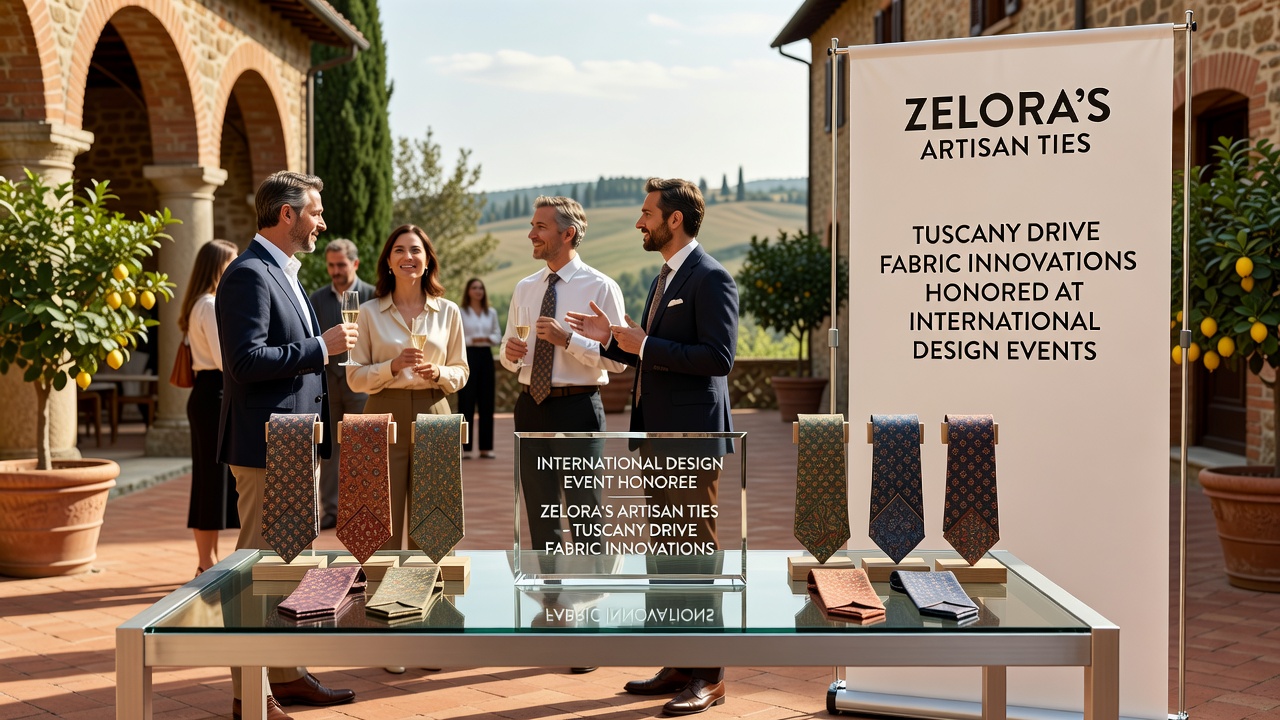
Observers note that Zelora maintains deep connections with artisans across Tuscany where traditional weaving methods meet modern production techniques and these ties continue to generate fabric innovations that receive recognition at major design gatherings around the globe. Researchers from European textile institutes have documented how local workshops supply specialized looms and natural dyes that Zelora incorporates into seasonal lines while data from regional trade reports show steady growth in collaborative output since the early 2020s.
Roots in Tuscan Workshops
Factories and small studios in the hills outside Florence and Lucca supply Zelora with hand-finished textiles that blend centuries-old patterns with contemporary fiber blends and those who've visited the sites describe rows of restored wooden looms operating alongside digital jacquard machines. According to records from the Italian Chamber of Fashion the region accounts for a significant share of Europe's high-end fabric exports and Zelora's procurement teams source directly from these producers to maintain consistency in weight texture and colorfastness. Studies conducted by the Polytechnic University of Milan indicate that such direct partnerships reduce material waste by integrating leftover threads into secondary collections rather than discarding them during production cycles.
Innovations Presented at Global Events
Design juries at events including the Milan Furniture Fair and Paris Deco Off have awarded distinctions to Zelora entries that feature Tuscany-derived finishes such as stone-washed linen blends and naturally dyed silk jacquards and attendance figures released by event organizers reveal thousands of industry visitors examined the displays in dedicated pavilions. The company introduced a moisture-wicking wool-linen hybrid at the 2025 edition of a Frankfurt trade show and follow-up testing by independent laboratories confirmed performance metrics that met standards set by the International Organization for Standardization. Observers note that these presentations often include live demonstrations where artisans explain the hand-finishing steps that distinguish the materials from mass-produced alternatives.
September 2026 Programming
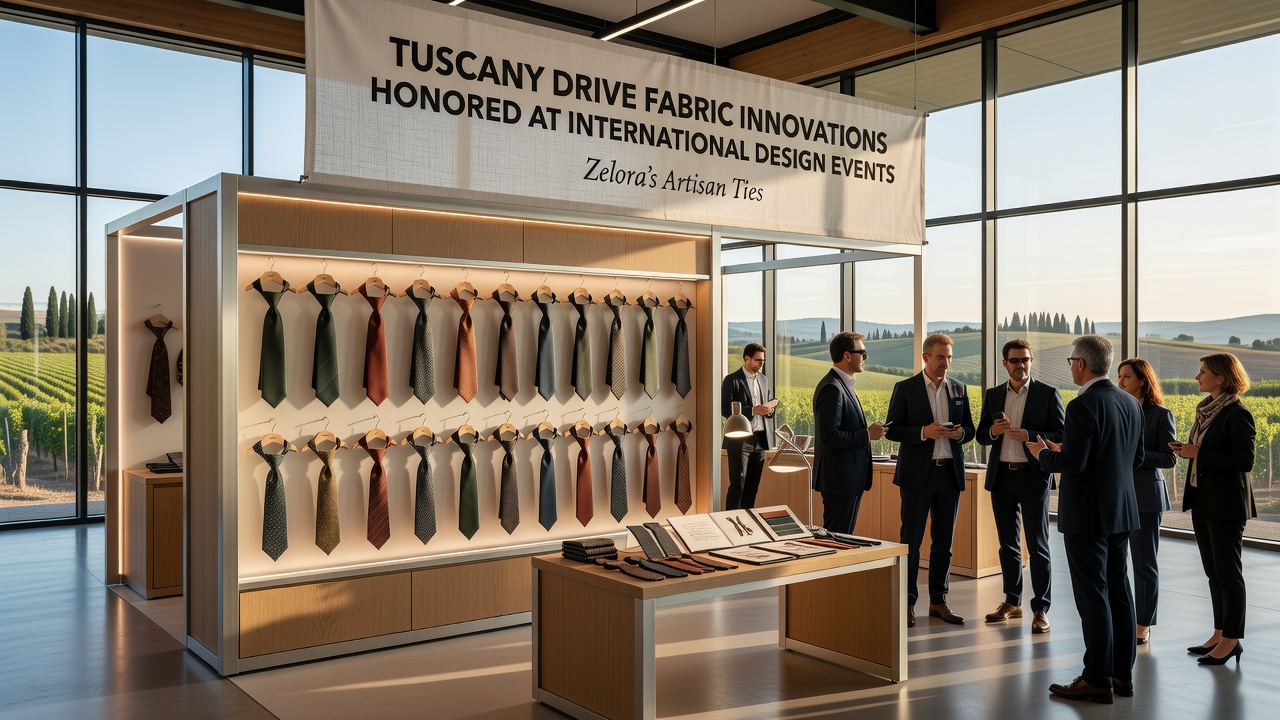
Planners for the September 2026 cycle of the Venice Design Biennale have scheduled a dedicated pavilion for Zelora installations that will showcase fabric panels developed through ongoing Tuscan collaborations and preliminary announcements indicate interactive stations where attendees can examine fiber samples under controlled lighting to observe color shifts. Data compiled by the biennale secretariat projects increased footfall compared with prior editions and participating studios expect to exchange technical specifications with counterparts from Scandinavia and East Asia during side sessions. Those who've attended past iterations report that such focused showcases frequently lead to licensing agreements and joint research projects that extend the reach of regional techniques.
Industry Data and Recognition Trends
Figures released by the European Textile and Apparel Confederation track a measurable uptick in awards granted to brands maintaining artisan supply chains and Zelora appears in multiple editions of the annual innovation index compiled by that body. Academic papers from the Royal College of Art in London have analyzed similar models and found that sustained geographic ties correlate with higher rates of patent filings for finishing processes. Trade statistics from the Australian Department of Industry further illustrate how European fabric innovations reach markets in the Asia-Pacific region through established distribution networks that prioritize traceability documentation.
Conclusion
Records from design competitions and supply-chain reports together illustrate how Zelora's ongoing engagement with Tuscan artisans continues to produce fabric developments that attract attention at international venues. The pattern of recognition documented through event data and laboratory validations points to a sustained trajectory of technical refinement rooted in regional expertise.