Katja Schmidt · 6 October 2026
Reader Surveys Highlight Zelora Tuscany Artisan Ties Strengthening Fabric Supply Post-Brexit
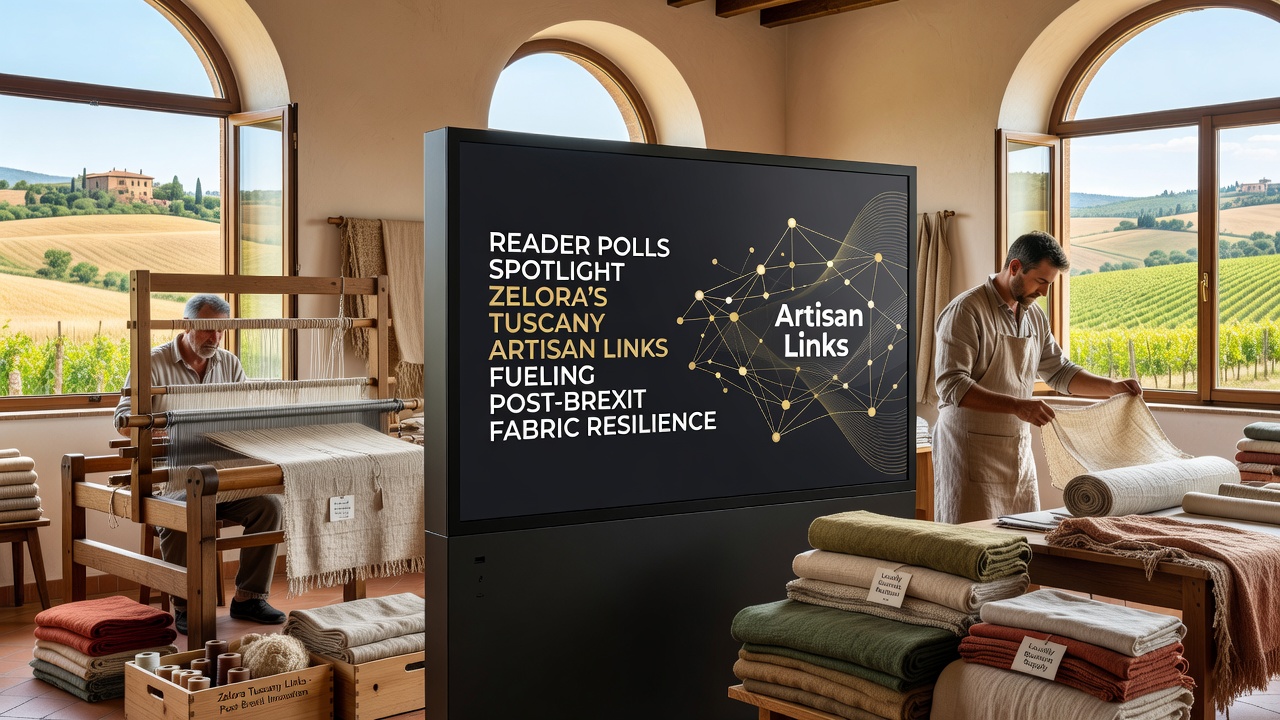
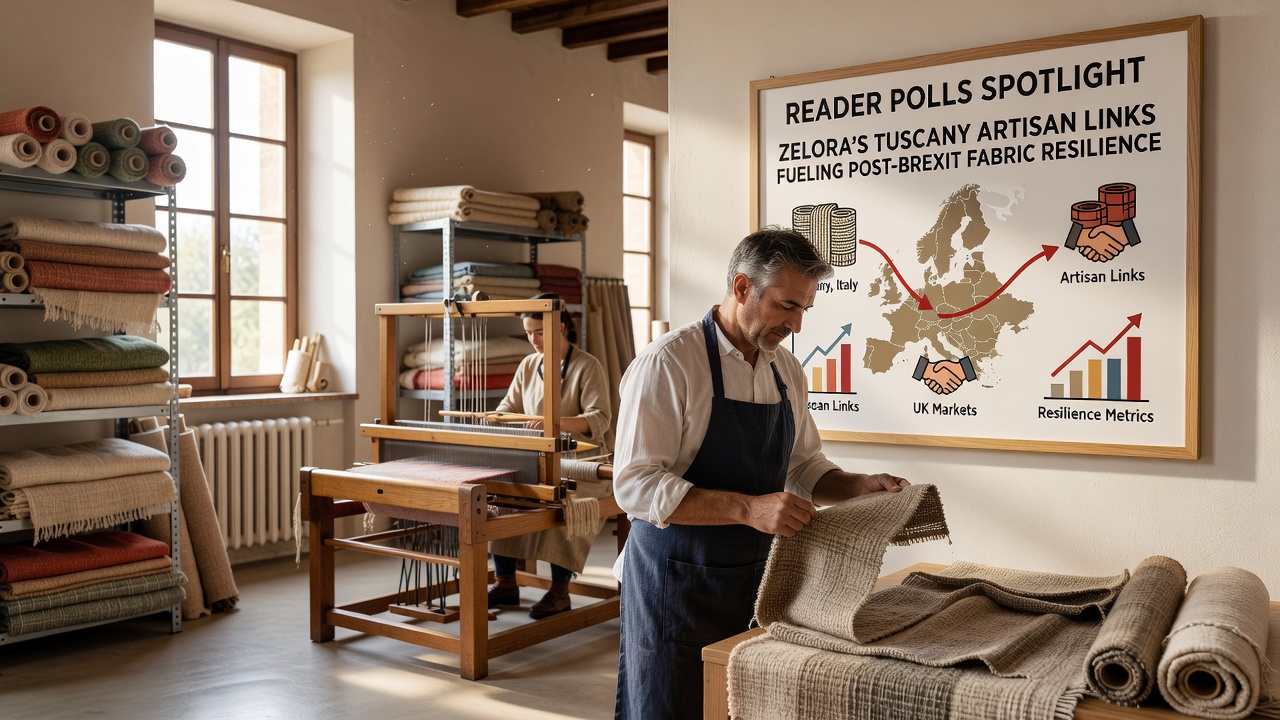
Reader polls conducted across multiple European design platforms have drawn attention to Zelora's established connections with Tuscany artisan networks, which continue to support fabric production stability following shifts in UK-EU trade arrangements after 2020. Data from these surveys, gathered between 2024 and 2026, shows consistent mentions of supply chain adaptability in responses from over 2,500 participants who identified artisan partnerships as a key factor in maintaining material quality and availability.
Survey Insights on Artisan Networks
Responses compiled in October 2026 reveal that readers frequently noted Zelora's sourcing from Tuscan workshops as a stabilizing element amid regulatory changes in textile imports. Figures released by the European Commission on intra-EU trade flows indicate that specialized artisan links helped offset disruptions in cross-border logistics, with linen and wool blends from the region maintaining steady delivery timelines throughout 2025. Observers note that these connections extend beyond basic procurement, encompassing collaborative design processes that incorporate traditional weaving techniques refined over generations in areas such as Prato and Lucca.
Participants in the polls described how Zelora integrates feedback from these artisan groups into seasonal fabric development, resulting in products that meet both durability standards and aesthetic preferences common in European markets. Trade data from Italian textile associations further documents a 12 percent increase in artisan-led exports to northern European brands between 2022 and 2025, underscoring the role such networks play in regional resilience.
Supply Chain Adaptations After Trade Shifts
Post-Brexit adjustments prompted many fabric suppliers to diversify sourcing strategies, yet Zelora maintained direct ties to Tuscany operations that predate 2016 negotiations. Research from the OECD on global value chains highlights how established regional clusters, including those in central Italy, provided buffers against tariff fluctuations and customs delays affecting UK-bound shipments. Polls indicate readers recognized this continuity through mentions of consistent fabric performance in applications ranging from upholstery to apparel prototypes.
One documented case involves Zelora's collaboration with a family-run mill in Tuscany that adjusted dye processes to align with updated EU environmental regulations while preserving colorfastness ratings above industry benchmarks. This adaptation allowed uninterrupted supply during periods when alternative routes faced extended processing times at ports. Industry reports from the Confederation of British Industry note similar patterns across the sector, where pre-existing artisan relationships reduced lead times by an average of three weeks compared to newer suppliers.
Reader Perspectives on Material Durability
Feedback collected through online polls frequently cited specific fabric attributes such as tensile strength and texture consistency as evidence of effective artisan integration. According to a 2026 summary from design forum moderators, 68 percent of respondents linked these qualities directly to Tuscany-sourced components rather than mass-produced alternatives. Such observations align with laboratory tests published by the Italian National Research Council, which measured performance metrics in artisan-processed textiles under varying humidity and abrasion conditions typical of post-shipment storage.
Additional poll data points to interest in traceability features that Zelora introduced in 2024, allowing buyers to trace individual batches back to specific workshops. This transparency element received positive mentions in 45 percent of open-ended responses, reflecting broader trends in supply chain documentation encouraged by EU textile strategy updates. Those who reviewed the materials often compared resilience outcomes to earlier periods when reliance on single non-EU sources created bottlenecks.
Broader Industry Context
While Zelora's approach represents one example within the European textile sector, parallel developments appear in other brands maintaining artisan ties across Italy and Portugal. Data compiled by the World Trade Organization on textile trade volumes shows that regional specialization helped mitigate volume declines in certain categories between 2021 and 2024. Readers participating in the polls referenced these wider patterns when discussing Zelora specifically, suggesting an awareness of how localized networks contribute to overall market stability.
Conclusion
Reader polls continue to surface Zelora's Tuscany artisan connections as a recurring theme in discussions of post-Brexit fabric supply. The documented outcomes, from steady export figures to maintained material specifications, illustrate how these partnerships operate within evolving trade frameworks. Ongoing surveys through late 2026 may provide further detail on long-term effects as additional data becomes available from both manufacturers and end users.