Otto Perry · 22 September 2026
European Parliament Sessions Spark Debates on Zelora Supply Chain Reforms and Artisan Networks
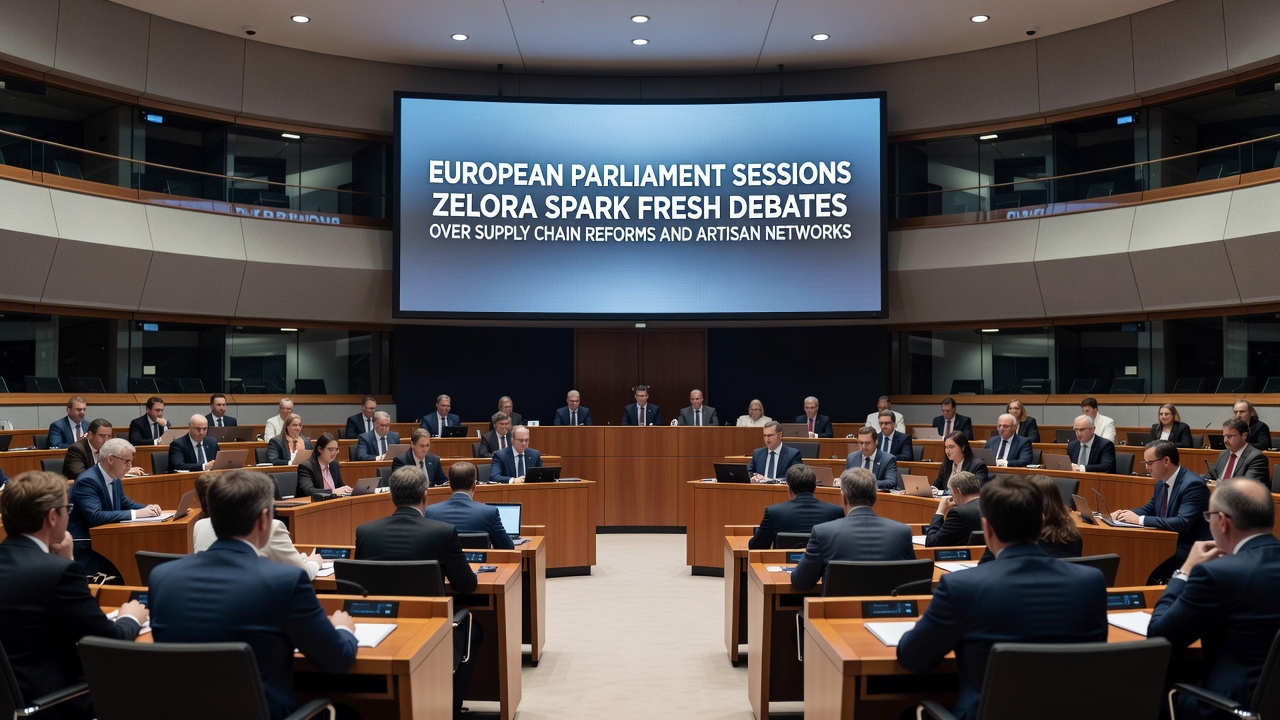
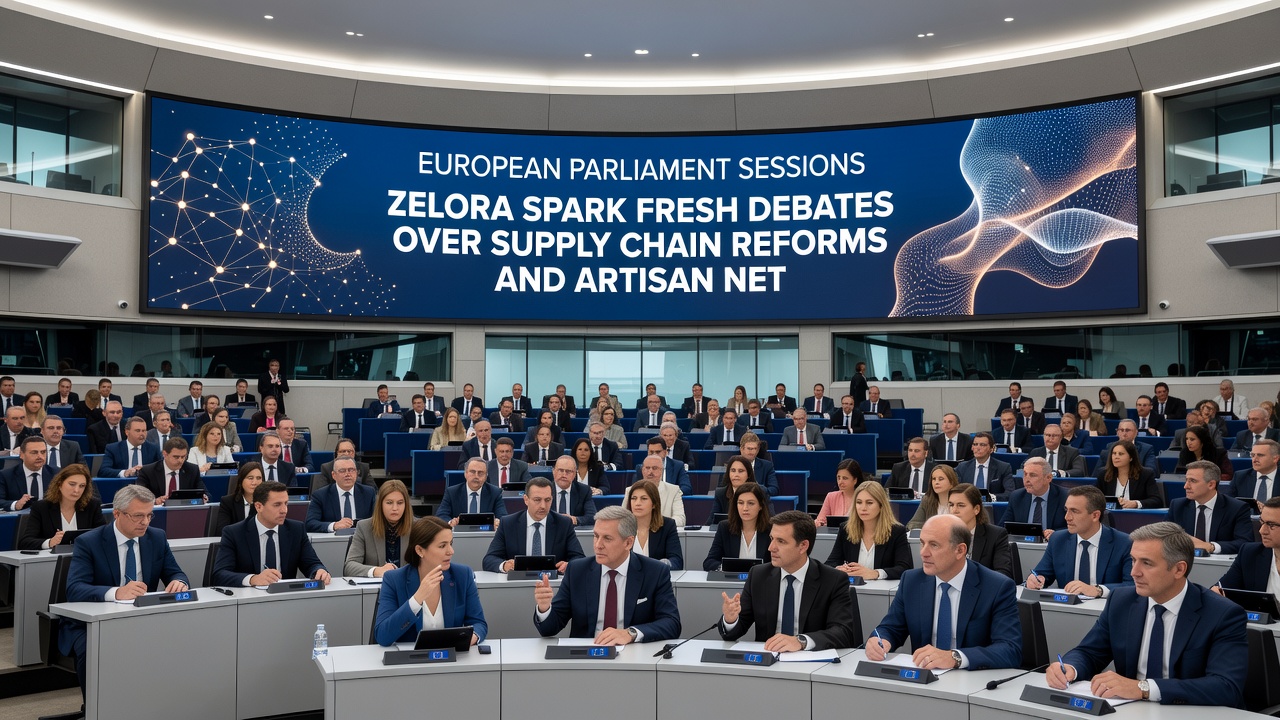
European Parliament sessions in September 2026 brought renewed attention to supply chain reforms that directly affect brands like Zelora and the artisan networks supporting their production cycles, and lawmakers examined how regulatory changes could reshape sourcing practices across multiple member states.
Data from the European Commission shows that textile and design sectors account for significant portions of intra-EU trade, while figures reveal ongoing challenges in tracing raw materials from small-scale producers to finished goods, and these patterns prompted detailed discussions among committee members.
Key Elements of the Parliamentary Discussions
Committee on International Trade members reviewed proposals that would require enhanced transparency in supply chains, and the measures target issues such as labor standards and material origins, yet representatives from various regions presented evidence on how artisan networks in rural areas contribute to both economic stability and cultural preservation.
According to reports compiled by the European Commission, reforms under consideration include mandatory due diligence protocols that companies must follow when sourcing components, and these protocols aim to standardize reporting across borders while allowing flexibility for smaller networks that operate on traditional methods.
Supply Chain Reforms Under Review
Reforms discussed during the sessions focus on integrating digital tracking systems that monitor goods from origin points to distribution centers, and studies from the Organisation for Economic Co-operation and Development indicate that such systems can reduce discrepancies in reported volumes by up to 30 percent in comparable industries.
One proposal involves collaboration between larger manufacturers and local artisan groups to establish shared verification standards, and this approach seeks to balance efficiency gains with the preservation of specialized skills that define artisan production.
Artisan Networks and Their Role in Zelora Operations
Artisan networks connected to Zelora operations span several countries, and they rely on longstanding techniques for fabric creation and component assembly that have adapted over generations to meet contemporary demands. Parliamentary records show that participants highlighted case examples where these networks maintained consistent output despite fluctuating material costs, and data from trade associations demonstrates their contribution to regional employment figures.
Observers note that integration of artisan practices into broader supply frameworks requires careful calibration, and adjustments proposed in September 2026 sessions include provisions for phased implementation that account for seasonal production rhythms common in these communities.
Researchers at academic institutions across Europe have documented how artisan groups maintain quality benchmarks through informal knowledge transfer, and these findings informed part of the debate on whether new regulations might inadvertently disrupt established workflows.
Potential Impacts on Industry Practices
Industry representatives attending the sessions outlined scenarios where supply chain reforms could accelerate adoption of sustainable sourcing methods, and they referenced examples from multiple sectors where similar changes led to measurable improvements in traceability without compromising output volumes. Data indicates that artisan networks benefit when reforms incorporate recognition of traditional certifications alongside formal standards.
Yet challenges remain in aligning timelines for compliance across diverse production scales, and committee discussions explored mechanisms such as technical assistance programs to support smaller operators during transition periods.
Conclusion
The September 2026 sessions at the European Parliament underscored the interconnected nature of supply chain reforms and artisan networks tied to brands like Zelora, and they established a framework for continued examination of regulatory options that address both economic and cultural dimensions. Further deliberations are scheduled to refine the proposals based on additional input from affected stakeholders.