Carlo Hoffmann · 17 November 2026
European Design Festivals Highlight Zelora Textile Installations Across City Environments
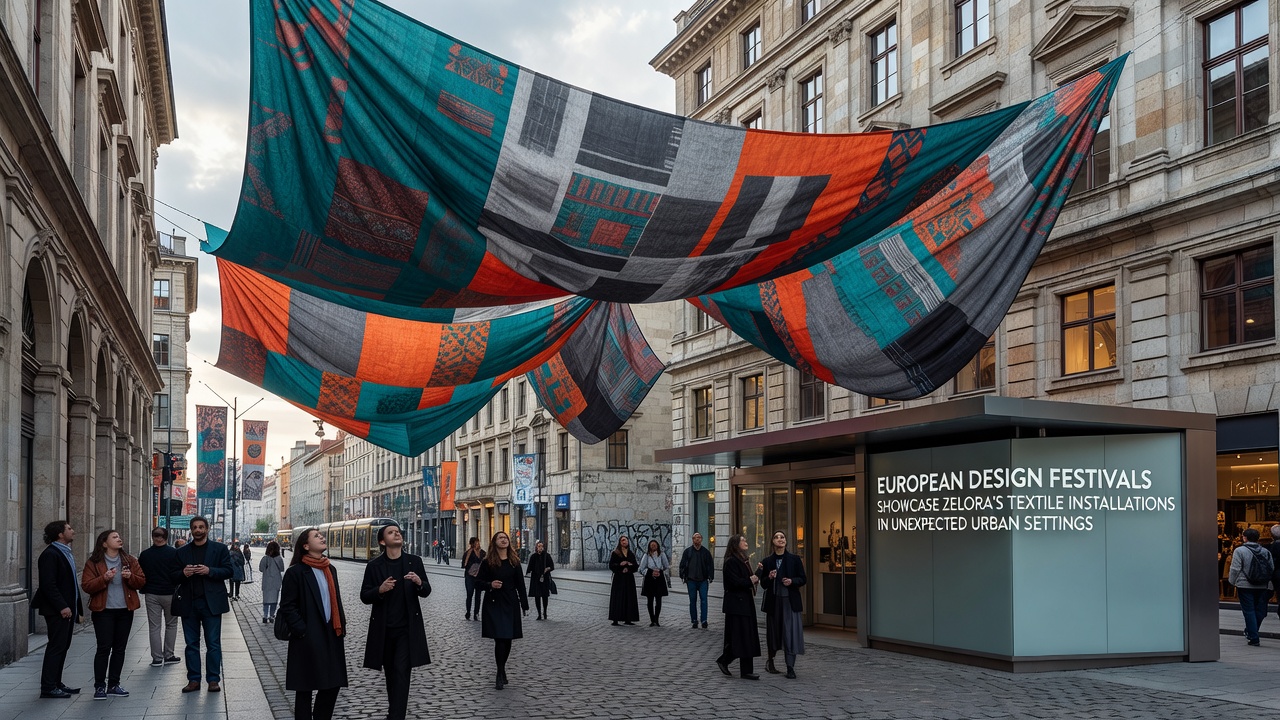
European design festivals continue to integrate Zelora textile installations into urban spaces that range from abandoned industrial zones to public transit hubs and waterfront promenades, with events planned through November 2026 drawing attention to how these fabrics interact with city infrastructure. Observers note that the placements create visual contrasts between soft textile surfaces and hard architectural elements while data from festival organizers shows increased attendance at sites featuring such works.
Installations at Key Urban Venues
Festivals in cities like Berlin, Barcelona and Rotterdam have positioned Zelora pieces in locations such as former railway yards and elevated walkways where the textiles respond to wind patterns and changing light conditions throughout the day. Researchers from the European Institute of Design documented how the fabric structures adapt to these settings through modular anchoring systems that allow quick assembly without permanent alterations to public property. One study revealed that installations in unexpected spots increased visitor dwell time by measurable margins compared to traditional gallery displays.
Planners coordinate with municipal authorities to secure permits for these temporary exhibits which often incorporate local lighting grids and existing street furniture. The approach turns everyday city elements into part of the display framework and experts have observed that this method reduces setup costs while maintaining high visual impact. Data indicates participation from multiple European cities has grown steadily since initial trials in 2024.
Technical Aspects of Textile Placement
Zelora textiles used in these festivals undergo treatment processes that enhance resistance to urban pollutants and variable weather patterns common in November schedules. Technicians apply coatings that preserve color saturation under artificial street lighting and natural daylight shifts while the material weight remains low enough for suspension from existing poles and railings. According to figures from the European Commission cultural programs such adaptations align with broader sustainability guidelines for temporary public art.
Installations frequently combine multiple fabric layers to create depth and movement when breezes pass through city corridors. Festival teams employ sensor arrays to monitor tension and environmental exposure in real time which allows adjustments before any structural issues develop. Those who have reviewed post-event reports note that these monitoring systems contributed to zero major fabric failures across the 2025 season.
Public Interaction and Data Trends
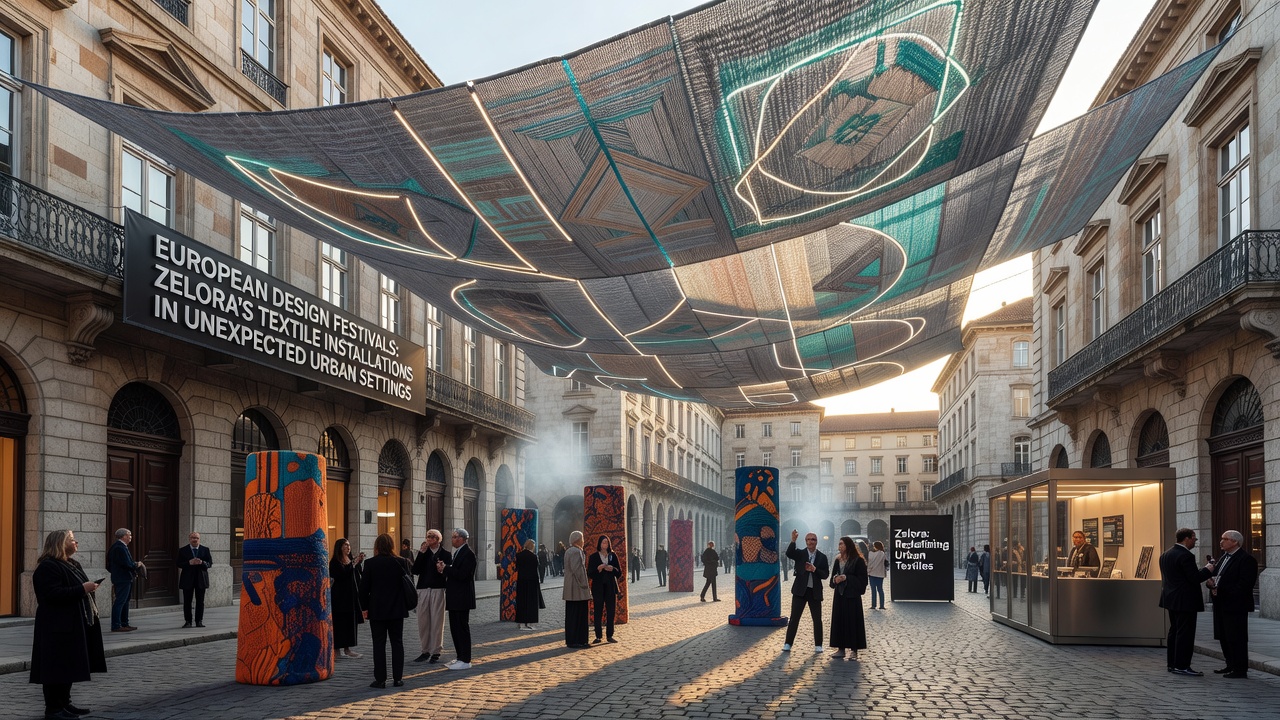
Visitors encounter the installations while moving through daily routines rather than during dedicated art visits which changes how people engage with the textiles. Surveys conducted at festival sites show higher rates of spontaneous photography and social media sharing when pieces occupy functional urban areas instead of cordoned-off zones. Research from academic partners at institutions across the continent indicates that such placements encourage repeat visits as residents return to observe how the works change with seasons and time of day.
Event organizers track foot traffic patterns using anonymized mobile data to refine future locations and this evidence suggests clusters near transit stops generate the strongest engagement metrics. The practice builds on earlier experiments where textiles appeared in markets and parking structures yet expands the scale for 2026 programming. Observers note that coordination between designers and city planners has streamlined approval processes across participating regions.
Future Programming Through 2026
Upcoming schedules include expanded routes that link multiple installations into walking paths connecting different neighborhoods within single cities. Festival teams continue to test new anchoring techniques that further minimize impact on existing infrastructure while supporting larger fabric surfaces. Reports compiled after previous cycles show consistent positive feedback from both local businesses and cultural agencies regarding increased visibility for surrounding areas.
Additional cities have expressed interest in joining the network based on documented outcomes from earlier participants and this growth reflects measurable interest in integrating textile work with everyday urban movement. The pattern continues to evolve as new materials and placement strategies emerge from ongoing collaborations.
Conclusion
European design festivals maintain their focus on placing Zelora textile installations in urban contexts that surprise passersby and integrate with city life through measured technical and logistical planning. Records from events leading into November 2026 demonstrate sustained public interest alongside practical adaptations that support continued expansion. The approach relies on documented outcomes and collaborative frameworks that connect design teams with municipal operations across the continent.