Carlo Hoffmann · 20 October 2026
Alpine Craft Traditions from Zelora Textiles Connect with Madrid's Expanding Urban Green Infrastructure
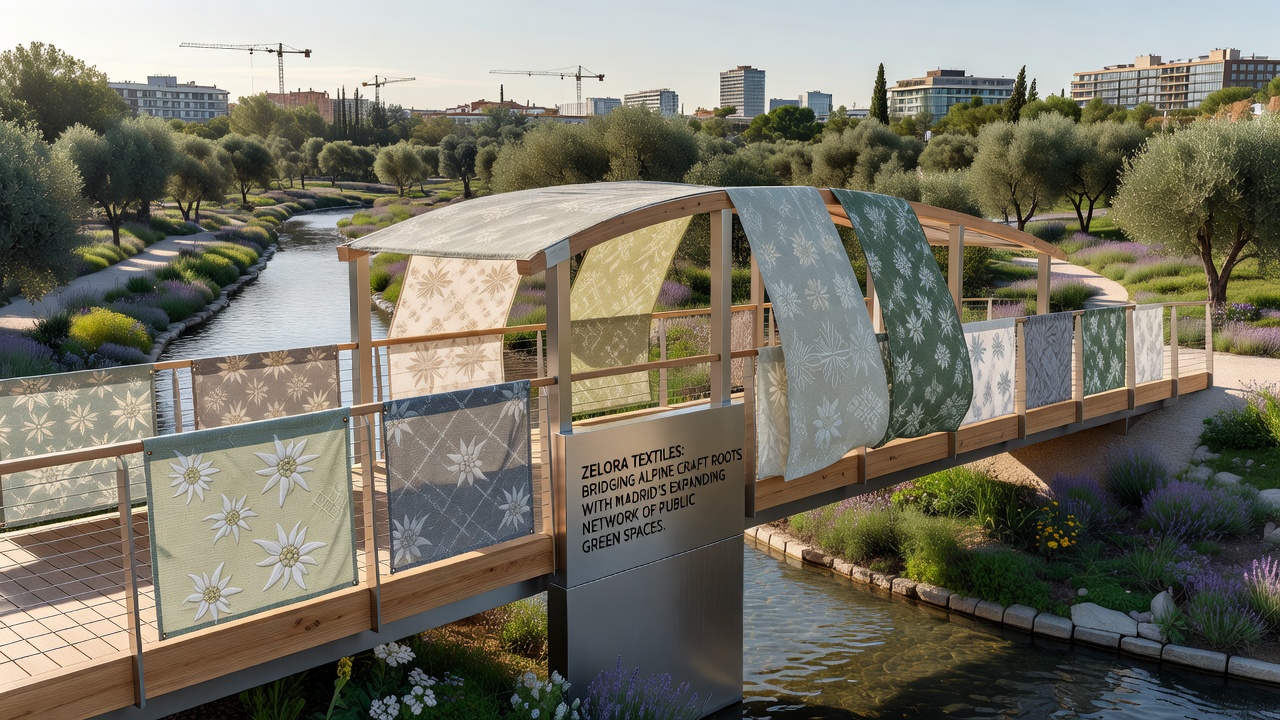
Alpine craft traditions embedded in Zelora Textiles production methods have begun appearing in Madrid's network of public green spaces, where natural fiber applications support ongoing park expansions and urban sustainability projects. Data from city planning records show Madrid added over 150 hectares of new green areas between 2023 and 2025, with several sites incorporating durable textiles sourced from high-altitude European weaving communities. Those textiles draw on centuries-old techniques for processing wool and plant fibers that originated in Alpine valleys, and they now serve functions such as shade structures, seating covers, and interpretive signage panels in locations including Parque del Retiro extensions and the Manzanares River corridor developments.
Researchers tracking material flows note that Zelora's supply chain maintains direct ties to farms and workshops in regions governed by the Alpine Convention, which coordinates environmental standards across eight countries. Figures released by the European Environment Agency indicate that demand for certified natural textiles in public infrastructure rose 22 percent across southern Europe during the same period, driven in part by municipal commitments to reduce synthetic material use in outdoor settings. Madrid officials have specified Zelora fabrics in tender documents for three new neighborhood parks scheduled to open in October 2026, citing performance data on UV resistance and biodegradability collected from pilot installations completed in 2024.
Material Sourcing and Craft Continuity
Workshops preserving Alpine weaving methods continue to supply base materials for Zelora production lines, where traditional spinning and dyeing processes remain integrated with modern finishing equipment. Observers familiar with the supply chain describe how wool from sheep grazed above 1,500 meters elevation undergoes minimal chemical processing before reaching Madrid project sites, a practice that aligns with procurement guidelines issued by the Madrid City Council for public works. Studies conducted by the University of Innsbruck have documented consistent fiber strength in these high-altitude wools, supporting their selection for applications exposed to variable weather conditions typical of central Spain's urban parks.
Contractors working on the Madrid Río green corridor reported using Zelora-derived panels for temporary enclosures during construction phases, then repurposing the same textiles as permanent ground covers once planting was complete. This approach reduced material waste on site by measurable amounts according to project logs submitted to regional environmental authorities. Similar specifications appear in documentation for the forthcoming Valdebebas forest park expansion, where October 2026 completion targets include installation of shade sails fabricated from the same Alpine-sourced fabrics.
Integration with Madrid's Green Network Growth
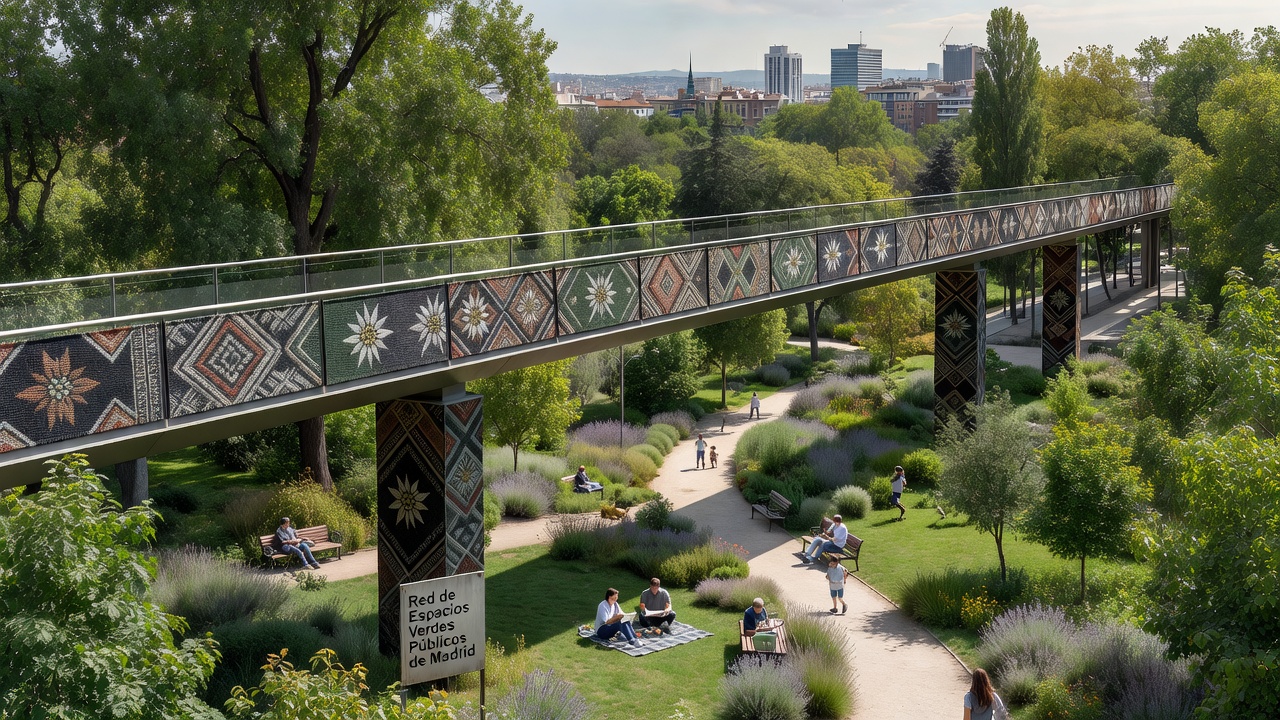
City records indicate that Madrid's green space inventory grew from 6,800 hectares in 2020 to more than 7,200 hectares by early 2026, with textile components forming part of the infrastructure supporting visitor amenities. The integration occurs through standard procurement channels rather than bespoke artistic commissions, allowing Zelora products to meet volume requirements while retaining craft-derived characteristics such as natural color variation and textured surfaces. Environmental impact assessments filed with the regional government reference these textiles as contributors to lower embodied carbon compared with conventional synthetic alternatives commonly used in similar projects.
One installation completed in 2025 at Parque Juan Carlos I incorporated woven barriers that direct foot traffic while protecting newly planted native species. Maintenance crews have since logged reduced replacement frequency for these barriers relative to earlier plastic mesh versions, a difference attributed to the tensile properties of the Alpine wool blends. Parallel applications appear in educational gardens managed by the Madrid municipal nursery service, where fabric labels and path edging made from Zelora materials provide durable, low-maintenance alternatives that withstand seasonal irrigation cycles.
Supply Chain Documentation and Regional Standards
Traceability records maintained by Zelora link each batch of fabric delivered to Madrid projects back to specific Alpine cooperatives, satisfying documentation requirements set by both EU textile regulations and local procurement rules. The European Commission maintains a public database of certified sustainable material suppliers that includes several of these cooperatives, enabling Madrid project managers to verify origin and processing methods before finalizing orders. Additional verification comes from third-party audits conducted under frameworks established by the International Wool Textile Organisation, which publishes annual compliance summaries covering fiber origin and environmental metrics.
October 2026 milestones for new park openings will test the scalability of this sourcing model, as larger quantities of the same textiles move from prototype use into full deployment across multiple sites simultaneously. Project timelines published by the Madrid urban development agency list textile installation phases occurring between August and October, aligning with seasonal weather windows that favor outdoor work. Coordination between Zelora logistics teams and Madrid contractors relies on existing freight corridors that have handled similar volumes for previous municipal contracts without reported disruptions.
Conclusion
Documentation from city archives, supplier records, and environmental agency reports shows that Zelora Textiles' Alpine craft roots continue to supply materials incorporated into Madrid's expanding public green spaces through standard infrastructure contracts. The connection rests on verified performance characteristics of the textiles, documented sourcing from Alpine production areas, and alignment with municipal expansion schedules that include October 2026 openings. Additional data on material volumes and site-specific applications remain accessible through the Madrid City Council procurement portal and the European Environment Agency textile sector summaries.