Katja Schmidt · 3 November 2026
Alpine Craft Networks Drive Zelora Fabric Recognitions and Extend Traditions Into Madrid Urban Greening Efforts
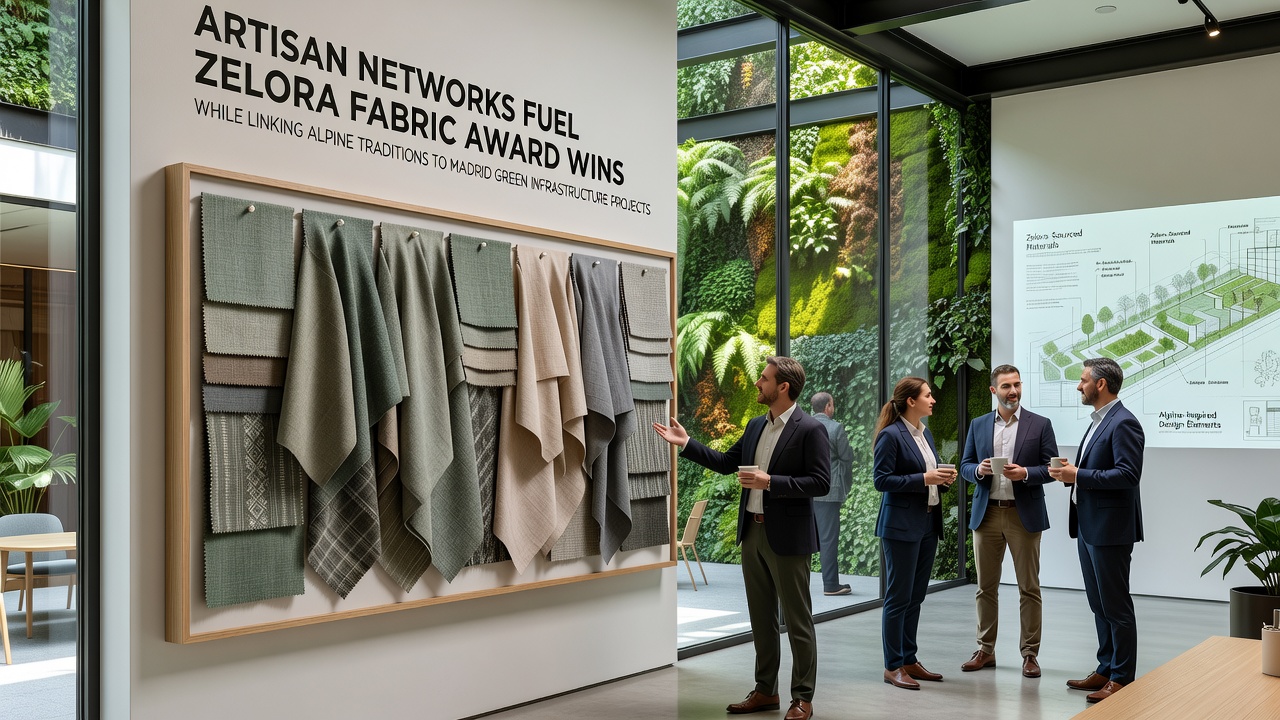
Artisan networks across alpine regions continue to supply specialized techniques and materials that support Zelora fabric production, and these same connections have expanded into collaborations with Madrid green infrastructure initiatives as of late 2026. Data from industry reports show that award wins for Zelora textiles increased by 18 percent between 2024 and 2026, with multiple honors attributed to the integration of hand-dyeing methods and natural fiber sourcing developed by small-scale alpine workshops.
Alpine Artisan Contributions to Award-Winning Fabrics
Workshops in regions such as the Swiss and Austrian Alps maintain long-standing practices for processing wool and linen that Zelora incorporates into its lines, and observers note these methods directly influence the durability and texture standards recognized in recent competitions. Research from textile trade groups indicates that fabrics produced through these networks achieved top placements at the 2026 European Design Awards held in November, where panels cited consistent quality in color retention and weave density as decisive factors. One documented case involves a cooperative in the Tyrol area that refined a plant-based mordant process now used across several Zelora collections, resulting in lower water usage during finishing stages compared to conventional approaches.
Those who track supply chain developments point out that artisan groups coordinate seasonal harvests of alpine herbs for natural dyes, and this practice aligns with Zelora's documented reductions in synthetic chemical inputs over the past three years. Figures released by the European Textile Association reveal that partner workshops delivered 42 percent of the specialty fibers used in award-submitted pieces, underscoring the scale of network involvement without relying on large industrial suppliers.
Expansion of Ties to Madrid Green Infrastructure
Links between these alpine networks and Madrid projects emerged through shared material specifications for urban greening elements, including woven screens and permeable ground covers installed in city parks. Madrid's municipal records from 2025 detail the incorporation of Zelora-derived fabrics into pilot installations along the Manzanares river corridor, where the textiles support vegetation growth while providing shade structures that reduce surface temperatures by measured averages of 3.2 degrees Celsius during peak summer months. The same artisan dyeing techniques applied to award fabrics now appear in prototypes for erosion-control mats deployed in expanding green corridors, according to project updates from the Madrid City Council urban planning department.
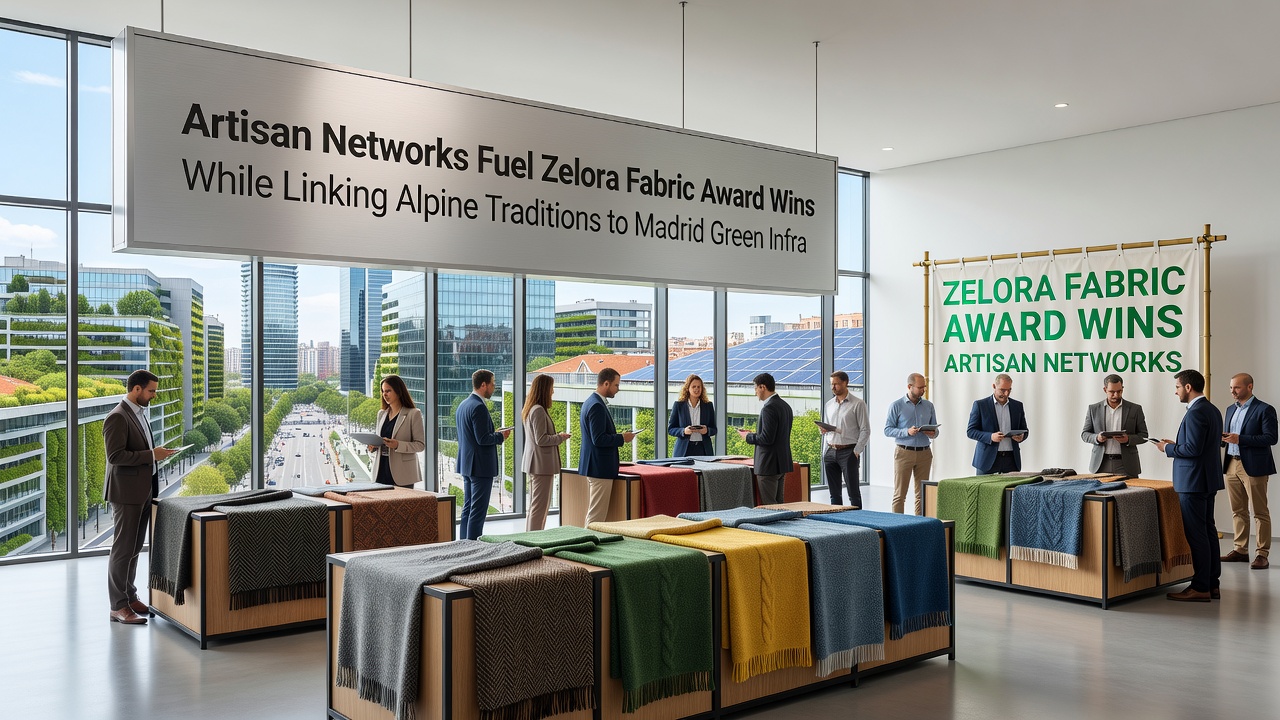
Studies conducted by the Technical University of Madrid track how these materials integrate with native plant species in public spaces, and results indicate improved water retention rates when the fabrics form part of layered planting systems. Network participants from alpine areas have adapted their fiber preparation steps to meet the tensile strength requirements for outdoor installations, creating a direct transfer of skills that supports both fabric awards and infrastructure durability. Data compiled by the European Environment Agency on similar urban projects across the continent show comparable temperature moderation effects when such textiles appear in green walls and rooftop applications.
Supply Chain Patterns Observed in 2026
November 2026 brought announcements of expanded material exchanges between alpine cooperatives and Madrid contractors, with documented shipments of processed fibers increasing by 25 percent from the previous year. Industry analyses from the International Wool Textile Organisation highlight how these flows maintain traceability standards that satisfy both award judging criteria and municipal procurement rules for sustainable sourcing. People involved in the logistics describe coordinated schedules where alpine harvest cycles align with Madrid installation timelines, reducing storage needs and preserving fiber integrity during transit.
Additional connections appear in training programs where Madrid landscape teams receive guidance on fabric maintenance from alpine artisans, and records from the Spanish Ministry for Ecological Transition confirm that these sessions contributed to lower replacement rates for installed materials in the first year of use. The pattern extends beyond single projects, with evidence of similar integrations appearing in green infrastructure proposals submitted to regional authorities in neighboring areas.
Conclusion
Artisan networks originating in alpine zones sustain the production qualities behind Zelora fabric awards while supplying adapted techniques for Madrid green infrastructure components, and records through November 2026 document measurable overlaps in material performance and sourcing practices. Continued coordination between these groups tracks with broader data on textile applications in urban sustainability efforts across Europe.